
Montessori education emphasizes child-led learning, independence, and natural development. The playground should reflect these principles, offering purposeful play opportunities that support physical, cognitive, and social growth. This guide helps Montessori schools design appropriate outdoor spaces.
Montessori Playground Philosophy
Core Principles
Child-Led Exploration: - Freedom to choose activities - Self-paced challenges - Natural consequence learning - Independent problem-solving
Purposeful Play: - Every element has developmental purpose - Activities build real-world skills - Connection to classroom learning - Progressive skill development
Natural Environment: - Integration with nature - Natural materials preferred - Sensory-rich experiences - Outdoor classroom concept
Differences from Traditional Playgrounds
| Aspect | Traditional | Montessori |
|---|---|---|
| Structure | Fixed activities | Open-ended |
| Direction | Adult-directed | Child-led |
| Challenge | Uniform | Progressive |
| Materials | Primarily plastic | Natural + manufactured |
| Purpose | Entertainment | Development |
| Supervision | Controlling | Observing |
Essential Montessori Playground Zones
Zone 1: Gross Motor Development
Purpose: Build strength, coordination, balance
Equipment: - Balancing Stones - Progressive balance challenges - Stepping Stones - Pathway navigation - Log Roller - Dynamic balance
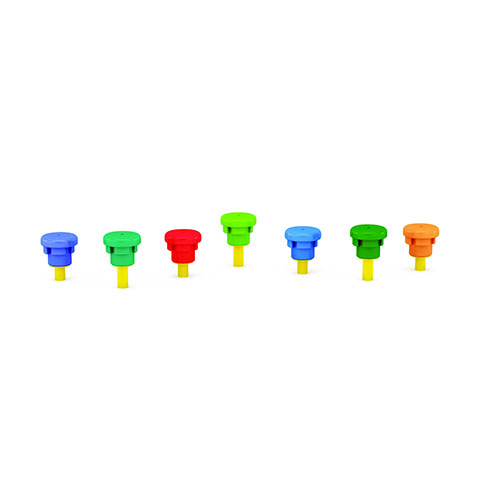
Layout Considerations: - Varying difficulty levels - Clear pathways - Safe fall zones - Natural integration
Zone 2: Social Play
Purpose: Develop cooperation, communication, empathy
Equipment: - 2-Seater See-Saw - Partner cooperation - 4-Seater See-Saw - Group dynamics - Merry-Go-Round - Collaborative play
Montessori Approach: - Mixed-age interaction encouraged - Turn-taking naturally learned - Conflict resolution opportunities - Community building
Zone 3: Vestibular Stimulation
Purpose: Develop inner ear balance, spatial awareness
Equipment: - Swings - Linear movement - Spring Riders - Bouncing motion - Spinning elements - Rotational input
Montessori Benefits: - Supports reading readiness - Improves focus and attention - Regulates sensory system - Enhances body awareness
Zone 4: Risk and Challenge
Purpose: Appropriate risk-taking, confidence building
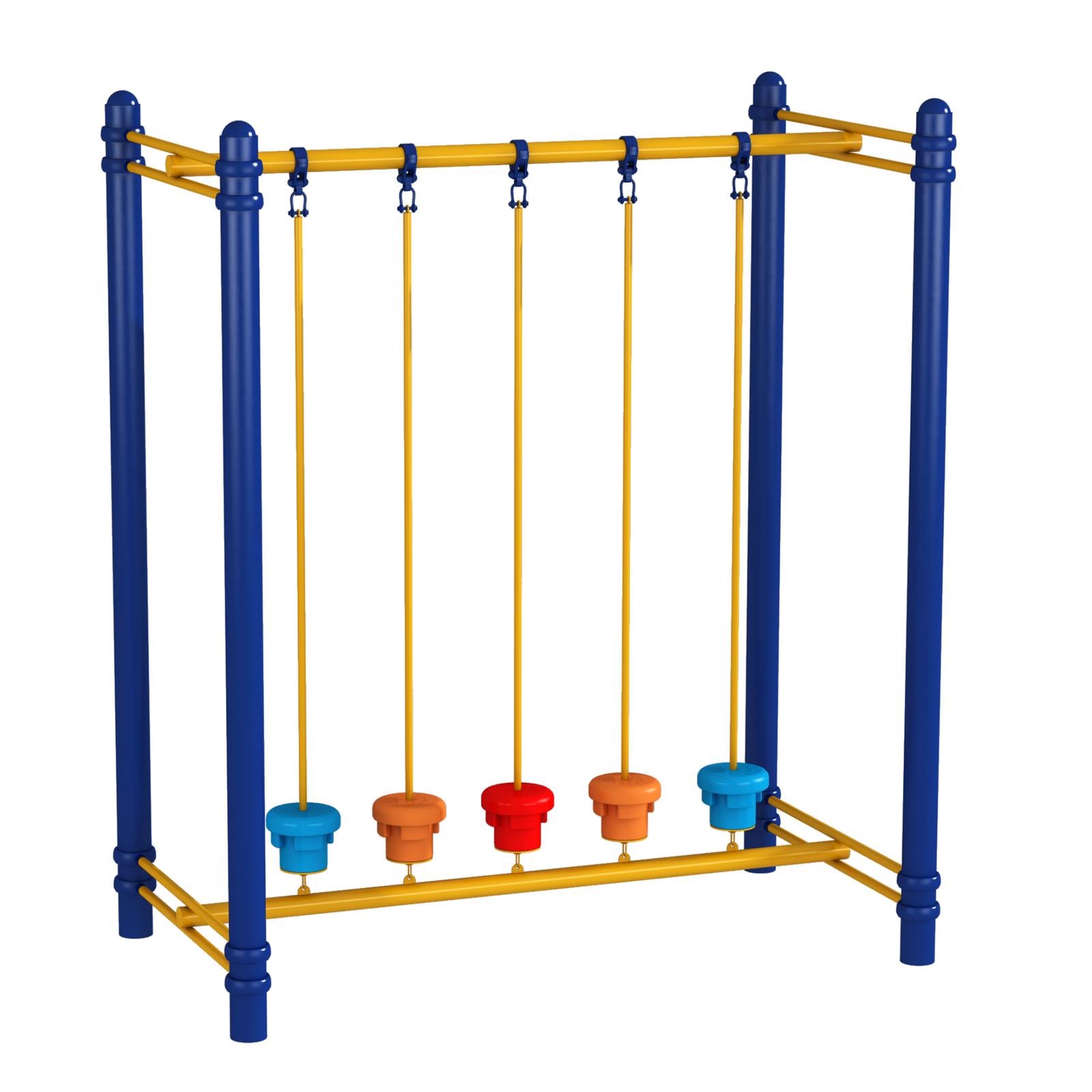
Equipment: - Monkey Bars - Upper body challenge - Twirly Climber - Spiral climbing - Zig-Zag Climber - Agility test
Montessori Approach: - Child assesses own readiness - Natural consequences teach limits - Progressive challenge levels - Success builds confidence
Zone 5: Sensory Garden
Purpose: Connect with nature, sensory development
Elements: - Textured pathways - Fragrant plants - Sound elements (wind chimes) - Visual variety
Integration with Equipment: - Natural material borders - Plant-surrounded areas - Water features (if possible) - Sand/mud play areas
Zone 6: Quiet/Observation Area
Purpose: Rest, reflection, nature observation
Elements: - Seating areas - Shade structures - Nature viewing spots - Reading/quiet spaces
Need Playground & Play Equipment?
CBM IMPEX is a Bangalore-based B2B supplier of playground and play equipment across Karnataka — genuine products, professional installation, and after-sales support.
Age-Appropriate Equipment Selection
Toddler Community (18 months - 3 years)
| Equipment | Purpose | Montessori Benefit |
|---|---|---|
| Low stepping stones | Balance | Independence |
| Gentle spring riders | Vestibular | Self-regulation |
| Push/pull toys | Gross motor | Purposeful movement |
| Sand play | Sensory | Concentration |
Primary (3-6 years)
| Equipment | Purpose | Montessori Benefit |
|---|---|---|
| Balance equipment | Coordination | Body awareness |
| See-saws | Social | Cooperation |
| Low climbing | Challenge | Risk assessment |
| Swings | Vestibular | Self-regulation |
Elementary (6-12 years)
| Equipment | Purpose | Montessori Benefit |
|---|---|---|
| Monkey bars | Strength | Perseverance |
| Higher climbing | Challenge | Goal-setting |
| Team equipment | Social | Community |
| Fitness equipment | Health | Self-care |
Layout Design Principles
Freedom of Movement
- Clear pathways between zones
- Multiple entry/exit points
- No dead ends
- Circular flow possible
Mixed-Age Accommodation
- Equipment accessible to multiple ages
- Older children model for younger
- Natural mentoring opportunities
- Inclusive design
Observation Points
- Teachers can see all areas
- Unobtrusive supervision
- Documentation opportunities
- Safety monitoring
Natural Integration
- Trees for shade and climbing
- Gardens throughout
- Natural boundaries where possible
- Seasonal changes visible
Sample Montessori Playground Layout
Small School (300 sq m)
Equipment List: - 1 set Stepping Stones - 1 set Balancing Stones - 2-3 Spring Riders - 1 See-Saw (2-seater) - 1 Low Swing Set - Sensory garden area
Budget: ₹3-5 lakhs
Medium School (500 sq m)
Equipment List: - Complete balance equipment set - 4-5 Spring Riders (variety) - 2 See-Saws - 1 Swing Set - 1 Merry-Go-Round - Climbing structure - Sensory garden - Quiet area
Budget: ₹6-10 lakhs
Large School (800+ sq m)
Equipment List: - All balance equipment - 6+ Spring Riders - Multiple See-Saws - 2 Swing Sets - Merry-Go-Round - Multiple climbing options - Monkey Bars - Nature trail - Outdoor classroom - Extensive gardens
Budget: ₹12-20 lakhs
Montessori-Specific Considerations
Self-Correction
Equipment should allow children to: - Recognize their own mistakes - Adjust approach independently - Learn from natural consequences - Build without adult intervention
Concentration
Design supports focus through: - Defined activity areas - Minimal visual clutter - Purposeful equipment placement - Quiet zones available
Independence
Promote autonomy through: - Child-height equipment - Self-service water stations - Accessible storage - Clear boundaries
Order
Create organized environment: - Logical zone arrangement - Clear pathways - Consistent equipment placement - Natural flow patterns
Safety in Montessori Context
Appropriate Risk
Montessori embraces "risky play" within safety bounds: - Challenges slightly beyond comfort - Natural consequences (minor) - Child-assessed readiness - Progressive difficulty
Safety Requirements
Still maintain: - Proper fall surfacing - Age-appropriate heights - Quality equipment - Regular maintenance
Supervision Approach
| Traditional | Montessori |
|---|---|
| Hovering | Observing |
| Preventing all risk | Allowing appropriate risk |
| Directing play | Following child's lead |
| Immediate intervention | Thoughtful response |
Implementation Process
Phase 1: Assessment
- Evaluate current space
- Identify Montessori priorities
- Survey teacher input
- Consider child interests
- Budget determination
Phase 2: Design
- Zone planning
- Equipment selection
- Natural element integration
- Flow pattern design
- Safety compliance check
Phase 3: Installation
- Site preparation
- Natural elements first
- Equipment installation
- Safety surfacing
- Finishing touches
Phase 4: Introduction
- Teacher training
- Gradual child introduction
- Observation period
- Adjustment as needed
- Documentation system
Maintenance for Montessori Schools
Daily
- Natural debris management
- Equipment visual check
- Garden watering
- Safety scan
Weekly
- Detailed inspection
- Minor adjustments
- Garden maintenance
- Documentation
Seasonal
- Plant changes
- Weather preparation
- Equipment assessment
- Zone modifications
Create Your Montessori Playground
CBM IMPEX understands Montessori philosophy:
- Developmentally appropriate equipment
- Natural integration options
- Progressive challenge designs
- Quality and safety assured
Design Your Montessori Space!
📞 Call: +91 93430 88815
💬 WhatsApp: +91 93430 88815
📧 Email: info@cbmimpex.com
🛒 Browse Equipment: shop.cbmimpex.com
Request a Montessori-focused consultation!